
Optimal Timing for Tree Removals
Tree removals are most effective and safest when performed during specific times of the year. The timing depends on various factors including tree species, weather conditions, and the purpose of removal. Proper timing can minimize risks and ensure the health of surrounding vegetation.
Winter is often considered the optimal time for tree removals. During dormancy, trees are less active, reducing the risk of disease spread and making them easier to cut and remove.
Spring and summer removals can be challenging due to active growth and foliage, which can obstruct visibility and complicate the process. However, certain urgent removals may still be necessary during these seasons.
Fall offers a balance, with trees entering dormancy but still having manageable foliage. It's a suitable time for removals that require less disruption.
Dry, calm weather conditions are ideal for tree removal. Wind, rain, or snow can increase hazards and complicate the process.
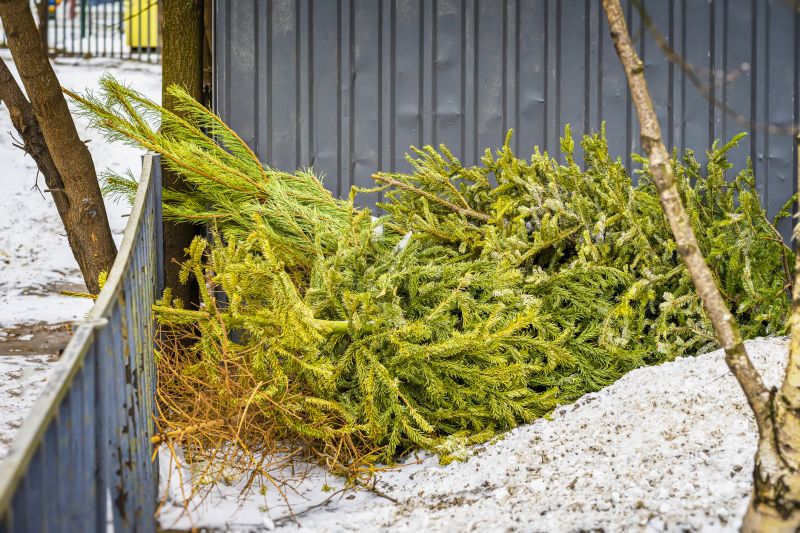
Tree being cut during winter months.
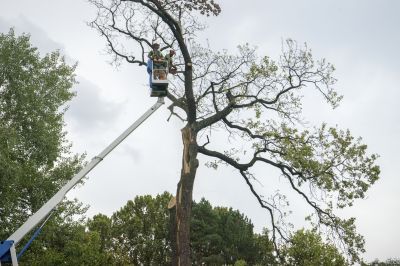
Tree removal in early spring.
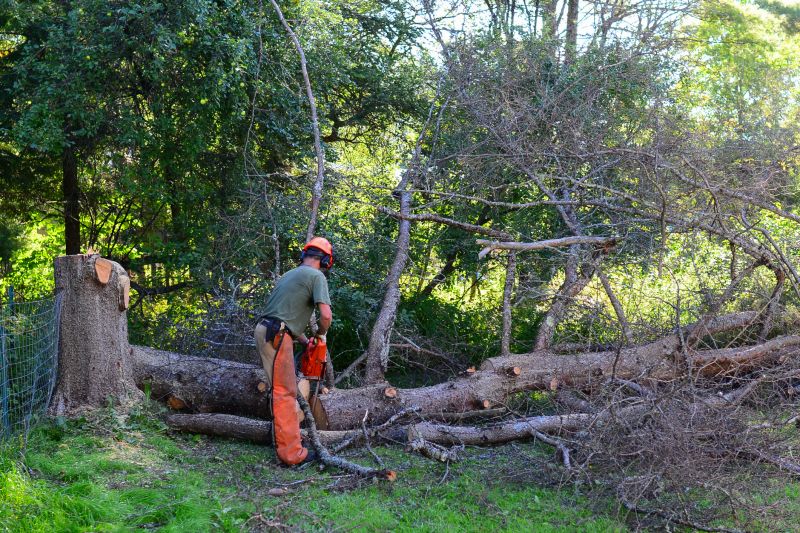
Tree being removed in autumn.
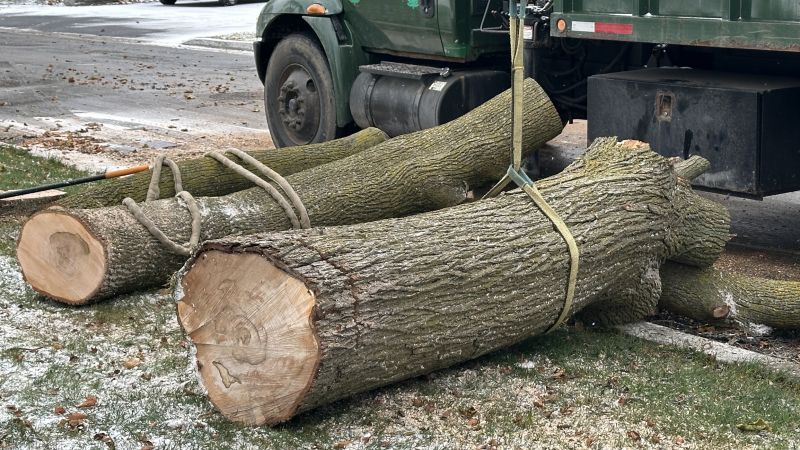
Ways to make Tree Removals work in tight or awkward layouts.
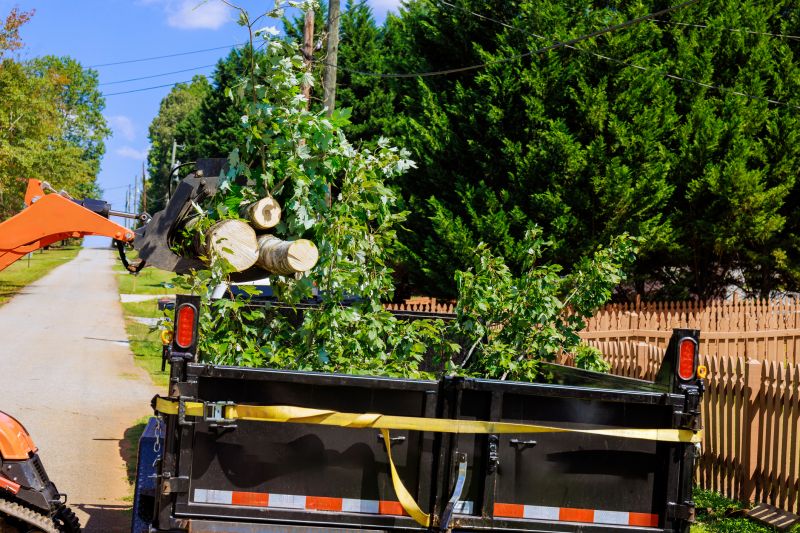
Popular materials for Tree Removals and why they hold up over time.
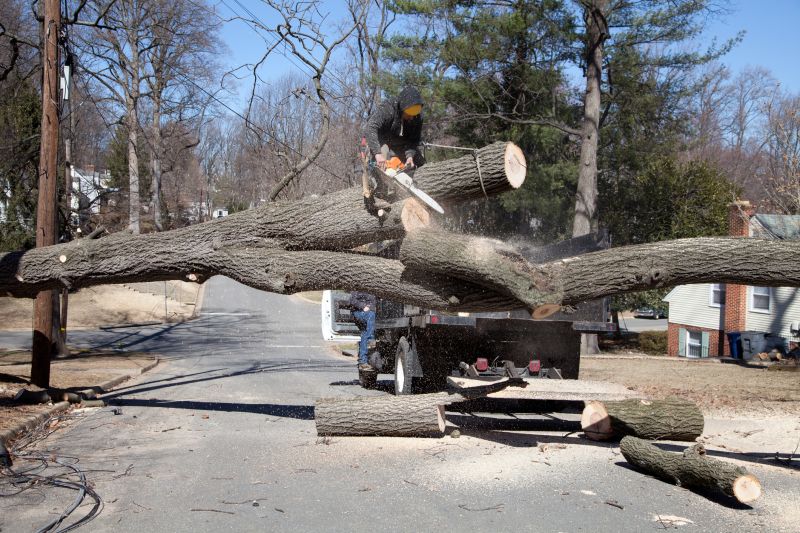
Simple add-ons that improve Tree Removals without blowing the budget.
| Season | Best Practices |
|---|---|
| Winter | Perform removals during dormancy to reduce disease risk. |
| Spring | Avoid unless necessary; plan for active growth. |
| Summer | Limit removals due to foliage and active growth. |
| Fall | Ideal for less disruptive removals before dormancy. |
Tree removals are a critical part of landscape maintenance, ensuring safety and health of the property. Proper timing reduces hazards associated with falling branches or unstable trees. Additionally, removing trees during the appropriate season can prevent the spread of disease and minimize impact on surrounding vegetation.
Statistics indicate that winter removals can be up to 30% safer due to less foliage and better visibility. Moreover, trees removed during dormancy tend to recover better if replanting is considered afterward. Timely removal also helps prevent property damage caused by falling limbs or entire trees during storms.
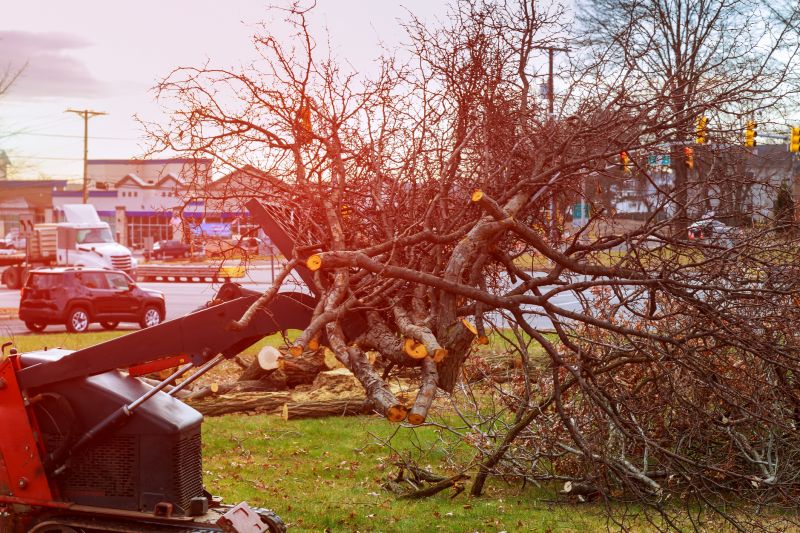
Equipment used during tree removal process.
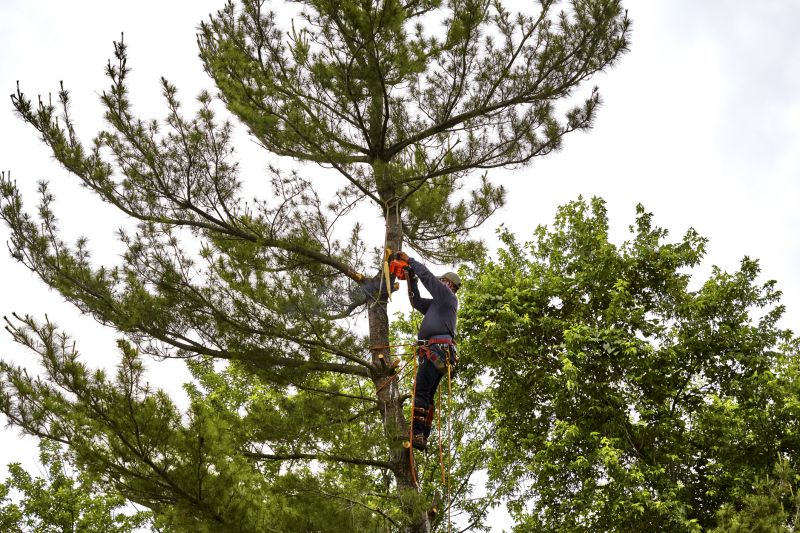
A tree being felled safely.
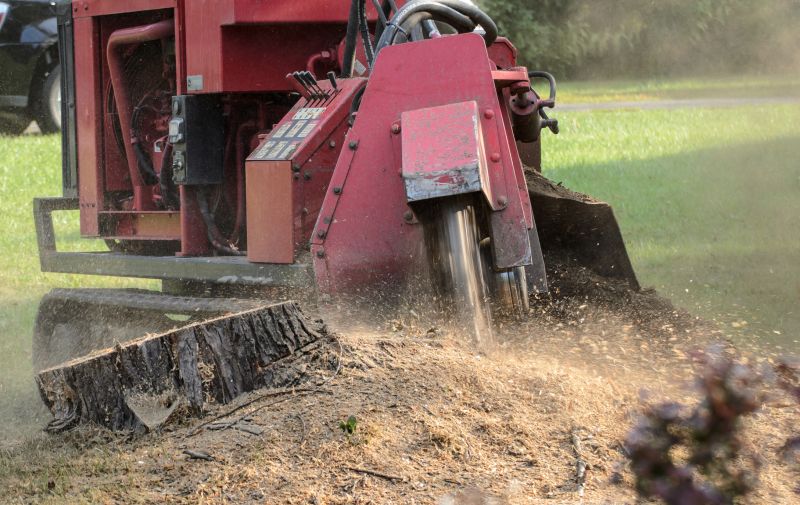
Stump grinding after tree removal.
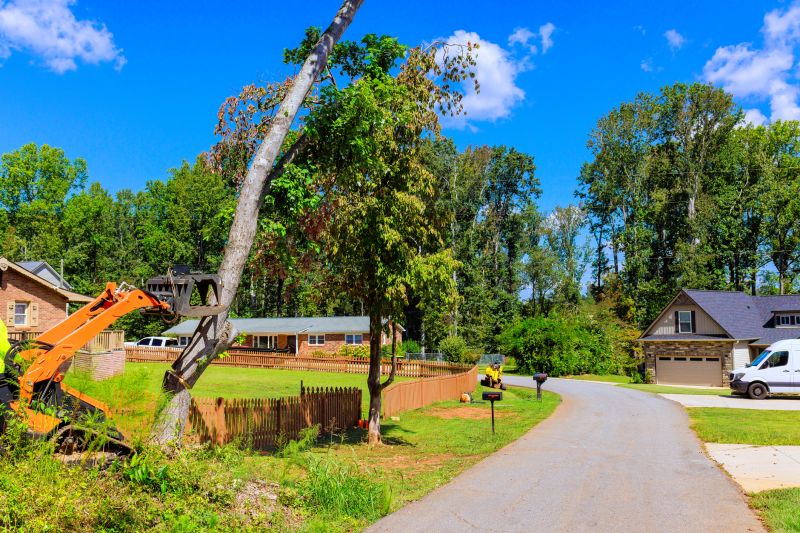
Planning phase of tree removal.
Interested in scheduling a tree removal? Contacting professionals during the appropriate season ensures the process is efficient and safe. Fill out the contact form to discuss options and timing tailored to specific property needs.