
Popular Tree Removal Products for Safe and Easy Operations
Discover the essential tools and accessories that ensure smooth and secure tree removal processes for various sizes and environments.
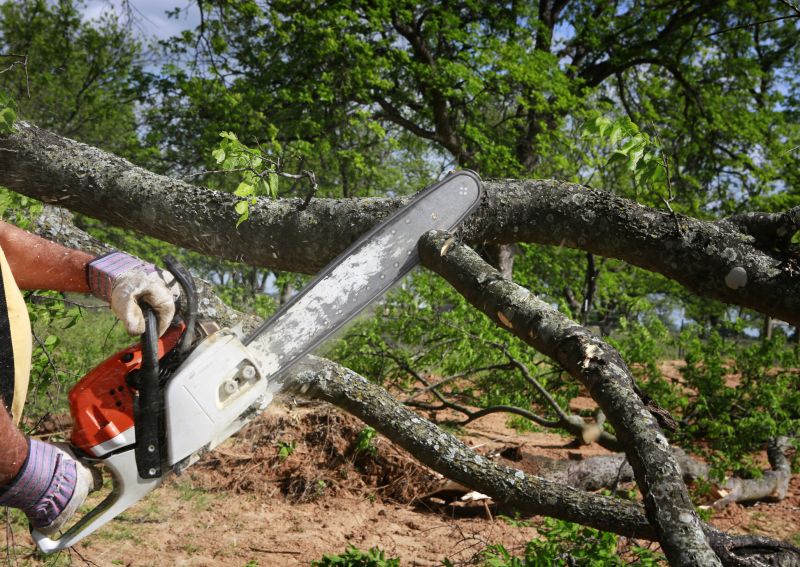 Tree removal is a task that requires careful planning and the right equipment to ensure safety and efficiency. Whether dealing with hazardous or unwanted trees, selecting appropriate tools can make the process more manageable. From manual hand tools to powered equipment, there are numerous options tailored to different needs and skill levels. Proper safety gear and accessories also play a crucial role in protecting individuals during tree removal activities.
Top Overall Option
Heavy-Duty Gas-Powered Chainsaw
A versatile and powerful chainsaw designed for demanding tree removal tasks. It offers high cutting capacity, durability, and ease of use, making it suitable for both professional arborists and serious DIYers. Features typically include a robust engine, ergonomic design, and safety mechanisms to enhance performance and user confidence.
Types of Products For Tree Removals
Chainsaws
Motorized saws ideal for cutting through large branches and trunks efficiently.
Pole Saws
Extendable saws designed for reaching high branches without the need for ladders.
Pruning Shears
Hand tools suitable for trimming smaller branches and limbs.
Loppers
Long-handled cutting tools for pruning thicker branches with leverage.
Hand Saws
Manual saws for detailed cutting and smaller removal tasks.
Axes and Mauls
Tools used for chopping and splitting wood during removal and cleanup.
Wedges
Metal or wooden tools used to control the direction of falling trees or branches.
Ropes and Harnesses
Safety and control accessories for managing tree movement during removal.
Chainsaw Carving Bars
Specialized bars designed for detailed cuts and shaping during removal.
Stump Grinders
Machines used to grind down remaining stumps after tree removal.
Debris Chippers
Equipment to convert branches and limbs into mulch or chips.
Ladders and Climbing Gear
Tools for reaching and working on elevated parts of large trees safely.
Safety Gear
Protective equipment including helmets, gloves, and eye protection for safe operation.
Tree Removal Kits
Comprehensive sets that include multiple tools for complete removal projects.
Popular Choices
Portable and easy-to-use saws suitable for smaller removal tasks and pruning.
Convenient tools for trimming high branches without ladders.
Lightweight tools for precise trimming of small branches.
Reliable tools for chopping and splitting wood during removal.
Safety equipment for professional tree climbers.
Compact machines for on-site stump removal after tree felling.
Efficient tools for processing branches into mulch.
Assist in controlling and guiding fallen limbs or trees.
Cordless options for reaching high branches with minimal effort.
Essential protective gear for safe operation.
Bundles containing multiple tools for comprehensive removal projects.
Tools for secure ascent and work on large trees.
Machines to split felled trees into manageable firewood.
Heavy-duty bags for collecting and transporting tree debris.
Accessories to improve ladder safety during high work.
Tools to maintain cutting performance and safety.
Understanding the scope of the project is essential before choosing products. Small branches and saplings might be manageable with hand pruners or loppers, while larger trees often necessitate power tools such as chainsaws or pole saws. Additionally, accessories like ropes, harnesses, and wedges can facilitate safer and more controlled removals. It is important to assess the size, location, and condition of the tree to determine the most suitable equipment.
Safety should always be a priority when undertaking tree removal. Using high-quality protective gear, including helmets, gloves, eye protection, and sturdy footwear, helps minimize the risk of injury. Proper planning, including assessing the surrounding area for hazards and ensuring a clear escape route, is equally important. For larger or more complex removals, consulting with or hiring professional arborists might be advisable, but having the right tools on hand is beneficial for smaller or routine tasks.
This guide aims to inform about a variety of products designed for tree removal tasks, offering options suitable for DIY enthusiasts and professionals alike. By selecting the right tools, users can approach tree removal with confidence, ensuring safety and efficiency at every step. The following sections highlight top products, popular choices, and key considerations to help you make informed decisions tailored to your specific needs.
Key Buying Considerations
- Tree size and trunk diameter to determine the necessary power and size of tools.
- Type of tree and branch thickness to select appropriate cutting tools.
- Frequency of use to decide between manual or powered equipment.
- Safety features such as automatic chain brakes, safety switches, and protective guards.
- Ease of handling and weight of tools for prolonged use.
- Reach capability of tools like pole saws or climbing gear for high branches.
- Power source preferences, including electric, battery-powered, or gas-powered options.
- Durability and build quality to withstand demanding tasks.
- Compatibility with other tools and accessories for comprehensive projects.
- Availability of replacement parts and maintenance support.
- Storage and portability, especially for tools used in multiple locations.
- User skill level and experience with power tools or manual equipment.
- Budget constraints and overall value for the investment.
- Local regulations or safety standards applicable to tree removal activities.
- Environmental conditions, such as terrain and proximity to structures or power lines.
This page contains affiliate links. We may earn a commission from qualifying purchases to support our content creation.